



Author: Matteo Spegne Schiavoni
Key Points Regarding Energy Audits and the Enertech Solution Method
- The energy audit precisely defines the consumption profile of a asset and the opportunities for cost-benefit savings.
- The Method Enertech Solution follows a certified process based on data collection, modeling and simulation of interventions.
- The Tailored Diagnosis tailored toreal-world use enables reliable estimates and supports investment investment .
- The calibration of the model based on actual consumption ensures a controlled deviation and verified results.
- The analysis results in an operational roadmap toward electrification, energy self-sufficiency, and cost optimization.
The global energy landscape in recent years has revealed a systemic vulnerability linked to heavy dependence on fossil fuels and the instability of geopolitical dynamics. In this scenario, the energy audit is not merely a regulatory requirement requirement for large companies, but as an indispensable strategic compass for ensuring operational continuity and security of supply.
Identify, with scientific precision, the consumption profile of a site is the fundamental prerequisite for embarking on a path toward true energy independence, transforming management ofenergy from a cost center to a driver of resilience and competitiveness in the market.
Table of Contents
- What Is an Energy Audit?
- Advantages and benefits of energy diagnosis
- The Enertech Solution Method for Conducting an Energy Audit: A Certified and Systematic Process
- Tailored A3 Diagnosis: Precision as a Guarantee of Investment
- Technical Rigour in Energy Audits, Calibration, and Dynamic Calculations
- Roadmap to Independence: Electrification and Autonomy
- Financial Indicators in Energy Audits
- The Digital Evolution: 6D BIM for Energy Management
- Energy Audit FAQ
- From Energy Audit to Operational Strategy
What Is an Energy Audit?
As discussed in detail in the article on the method of energy efficiency by Enertech Solution the diagnosis energy represents the analytical phase essential for everyone project by redevelopment energy.
When we talk about energy audits We are referring to the systematic procedure designed to precisely define the profile of energy consumption of a asset, identifying the opportunities for savings from a cost-benefit.
Advantages and benefits of energy diagnosis
The energy audit is an extremely effective tool for businesses, as it allows for anin-depth analysis of energy flows within a site, identifying inefficiencies and identifying opportunities for efficiency improvements.
The benefits that can be achieved from this activity stem primarily from the fact that it increases one’s knowledge at energy level of your site.
In fact, the energy audits They provide detailed data on the costs associated with current energy supplies, the investment required to implement energy-efficiency measures, and the financial savings that can be achieved over the years. This information is valuable and essential in planning process and allocation of investments in the medium and long term.
The energy audits also make it possible to embark on a processtoward gradual improvement of facilities that can lead to a full-fledged revitalization. These measures make it possible to reduce energy consumption immediately, resulting in savings on utility bills. Often, the largest share of energy consumption is attributable to a small number of processes: by taking targeted action on these, it is possible to achieve a significant improvement in system as a whole.
The Enertech Solution Method for Conducting an Energy Audit: A Certified and Systematic Process
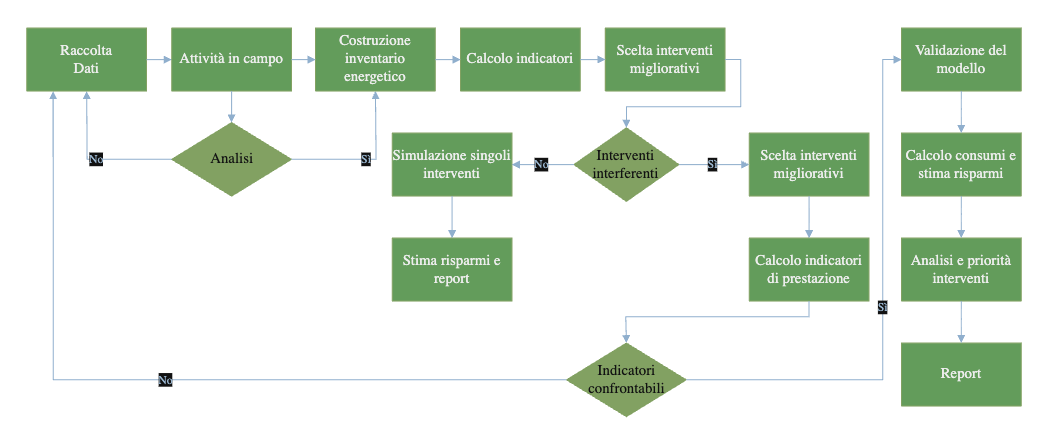
For Enertech Solution, the energy audit follows a rigorous process and certified, summarized in the following workflow, in which the major phases of intervention include:
- Data Collection and Field Surveys to analyze the current situation;
- Development of the Energy Inventory and calculation of actual indicators;
- Model Development and Validation, through calibration based on actual fuel consumption;
- Simulation of interventions and analysis of expected benefits;
- Energy Audit Report.
Tailored Diagnosis (A3): Precision as a Guarantee of Investment
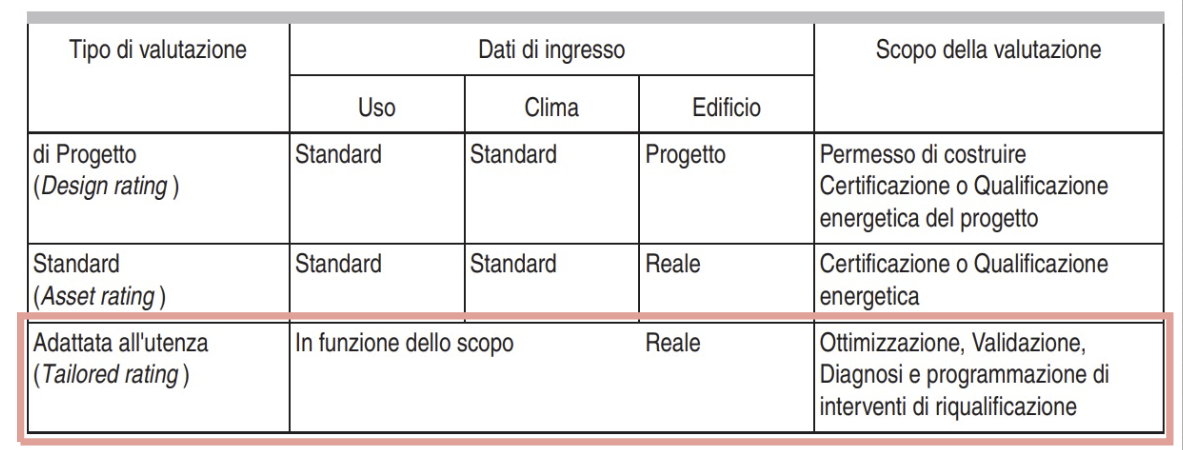
To simulate the energy behavior of a asset, the technical standards (UNI TS 11300) provide for different levels of detail.
While the A1 and A2 ratings are based on standardized usage parameters and climate data, an Energy Audit must use the User-Adapted Rating (A3 – Tailored Rating). This approach models the system based on the site’s actual load profiles, operating hours, and operational practices.
Why does analyzing actual usage provide a competitive advantage?
Conducting an energy audit based on actual usage provides a competitive advantage for the following reasons:
- Cost Optimization: avoids oversizing of systems, thereby reducing the initial investment;
- ROI Reliability: guarantees estimates of savings , ensuring timeframes for return onreturn;
- Technical safety: provides the proper foundation forelectrification anddecommissioning of fossil fuels;
Technical Rigour in Energy Audits: Calibration and Dynamic Calculation
The reliability of an energy audit depends on the ability of the model to correctly correctly the behavior of the building-system.
Enertech Solution selects the methodology for calculation based on the complexity of the site and the objectives of the analysis:
- UNI/TS 11300: based on monthly average steady-state conditions, suitable for constant usage profiles;
- UNI EN ISO 52016: based on an hourly dynamic simulation, which is necessary to accurately analyze the thermal inertia and the system’s response to varying loads.
Model Calibration
An essential step for an accurate diagnosis energy is the calibration of the model. This process involves comparing the calculated consumption by the energy model (Co) and the actual consumption (Ce) derived from historical billing records or from field in the field.
To ensure the reliability of the results, the deviation between the values must fall within a tolerance threshold of ±5%:
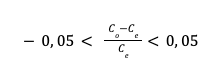
This validation procedure ensures that the final report is not an abstract estimate, but a dataset set of that has been technically verified on which plan investments.
Roadmap to Independence: Electrification and Autonomy
The measures identified in the energy audit aim to create of a resilient system, ideally aligning the asset with the nZEB (nearly zero-energy building) standard, when circumstances permit.
The main solutions proposed in the analyses include:
- Electrification of Heat Consumption: the replacement of gas-fired generators with high-efficiency heat pump systems enables eliminate theuse of fossil fuels for heating and auxiliary services;
- Heat Recovery from Processes: thethermal energy Waste heat generated during production cycles—such as heat from exhaust gases or compressors—can be recovered and reintroduced in the system for the production by hot water or heating, reducing energy waste;
- Self-Generation from Renewable Sources: The integration of photovoltaic and solar thermal systems allows energy to be generated directly on-site, powering the new electrical systems and reducing the need for purchasing from the grid;
- Improving the Energy Efficiency of the Building Envelope: insulation of exterior walls and replacement of windows and doors are essential for reducing primary energy demand before making changes to the systems;
- Building Management and Automation Systems (BEMS): the installation of automated management systems for buildings allows for real-time optimization of system operations, ensuring that energy performance is maintained over time.
- The coordinated integration of these technologies transforms the asset into an energy-autonomous and sustainable system, translatingenergyefficiency into a measurable value for the organization or company.
Financial Indicators in Energy Audits
The final output of an energy audit has both strategic and financial significance, as it transforms technical analyses into an concrete investment plan .
In this context, the use of indicators such as the Payback Period and Net Present Value (NPV) are essential for determining the profitability of projects and supporting management decisions aimed at maximizing asset value.
The economic sustainability of projects is closely linked to the effectiveness of incentive systems, such as the Conto Termico, Energy Efficiency Certificates (TEE) or tax incentives, which act as a lever to reduce the initial capital outlay and accelerate the return on investment.
For example, a photovoltaic system has an average payback period of between 5 and 7 years, whereas for heat pumps , the payback period ranges from 6 and 9 years. However, thanks to the synergy among the initiatives, such as theintegration by electrification and self-production, and to a proper use of the incentives, it is also possible to reduce the overall turnaround time under 5 years old, ensuring a operating savings immediate and greater competitiveness on the market.
The figures shown apply to industrial settings or those with medium-to-high consumption levels that encourage self-consumption; for residential applications, the payback periods can vary significantly depending on consumption, the size of the system, and the available incentives.
The Digital Evolution: 6D BIM for Energy Management
The Cutting Edge of energy audit lies in its integration with the methodology BIM (Building Information Modeling). Through the dimension 6D, dedicated specifically to energy management and sustainability, the technical report is translated into a live digital model.
This “digital twin” of the building is not just a graphical representation, but a repository of dynamic data that supports Facility Management through all phases of future maintenance.
In this context, the continuous monitoring energy consumption becomes an essential factor. The installation of advanced measurement systems enable real-time verification of theeffectiveness of the interventions that have been implemented, promptly identifying any anomalies and ensuring that the energy savings and financial anticipated during the energy energy remain constant over the long term.
Energy Audit FAQ
When should the UNI/TS 11300 standard be used, and when should the UNI EN ISO 52016 standard be used with regard to energy audits?
The choice depends on the complexity of the building and the level of accuracy required:
- UNI/TS 11300: It is used for calculations based on monthly averages and steady-state conditions. It is the standard procedure for buildings in continuous use (such as residential buildings) and for analyses during the winter season.
- UNI EN ISO 52016: This standard allows for a much more accurate hourly dynamic simulation to analyze thermal inertia. It is recommended for buildings with intermittent use, for realistic assessments during the summer, and to better capture fluctuations in indoor and outdoor temperatures.
Which companies are legally required to conduct an energy audit?
The requirement, as provided for by Legislative Decree No. 102/2014, applies to two categories:
- Large Companies: companies with more than 250 employees and revenue exceeding 50 million euros (or total assets exceeding 43 million).
- Energy-Intensive Companies: companies listed in the CSEA registries that have received incentives and have high energy consumption (exceeding 2.4 GWh for non-tertiary sectors).
Is an energy audit useful even for those who aren't required by law to have one?
Absolutely. The regulatory requirement applies to large companies and energy-intensive companies, but the benefits of the energy energy audit—such as identifying waste, planning investments, and accessing incentives—apply to any type of asset, whether residential, commercial, or industrial.
From Energy Audit to Operational Strategy
The energy audit, when based on actual data, calibrated models and reliable simulations, it becomes a practical decision-making tool rather than a mere technical formality.
This is where the Enertech Solution method makes a difference: by turninganalysis into a solid foundation for planning investments, reducing risks, and building a sustainable long-term energy strategy.
Enertech Solution ’smultidisciplinary approach makes it possible to translate the rigorof technical analysis into a strategic roadmap for growth, ensuring sound, rational energy management geared toward full independence.
If you want to understand how to apply this approach to your website or evaluate an energy audit tailored to your specific situation, please contact the Enertech Solution for a personalized consultation.