



Photo by D koi on Unsplash
Author: Federico Re Ferrè
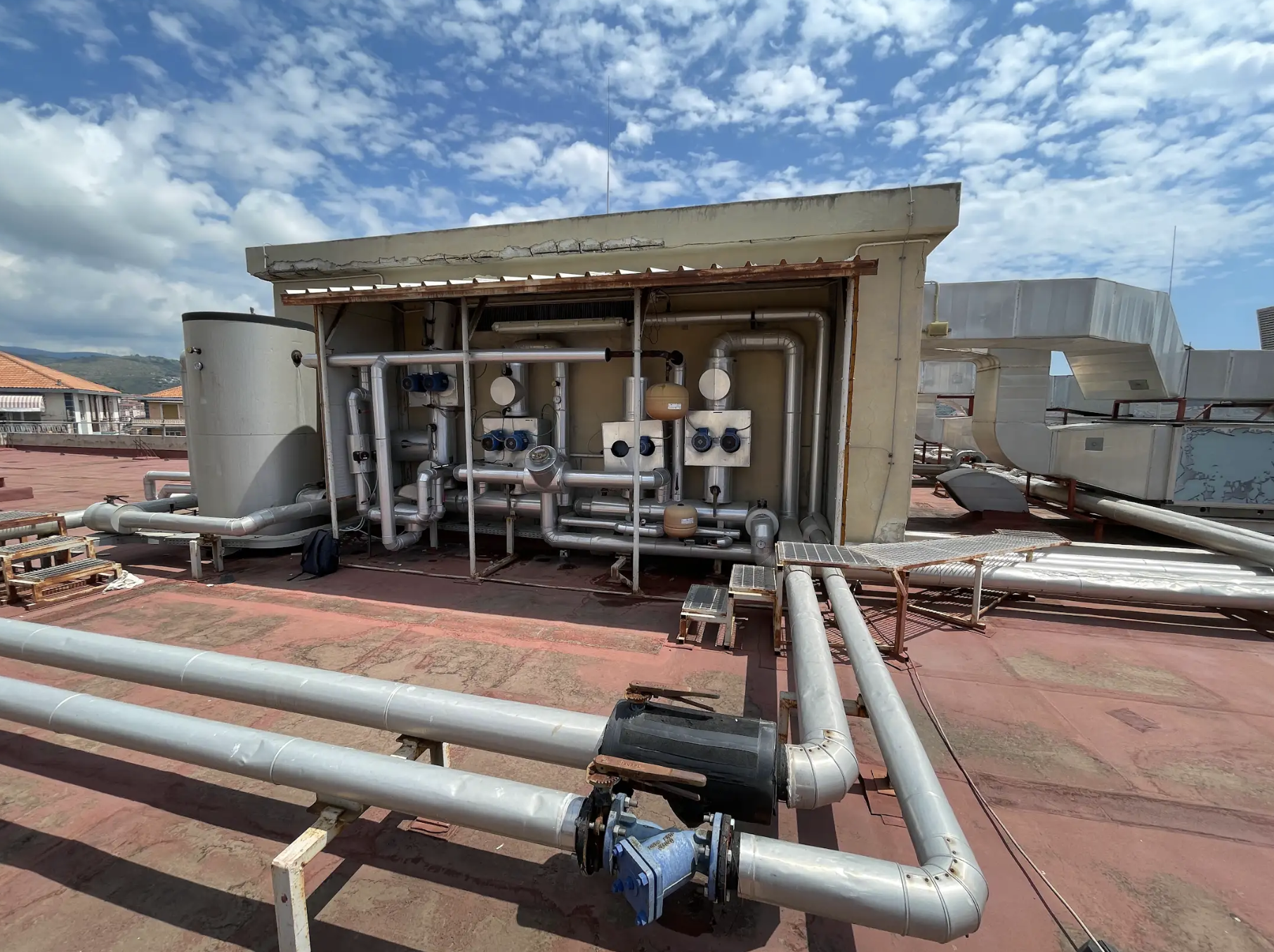
Hospitals are among the most complex buildings in terms of building systems, requiring high standards of efficiency, availability, and cleanliness. This article explores the importance and complexity of the design, maintenance, and management of hospital systems, with a particular focus on heating, ventilation, and air conditioning (HVAC) and plumbing systems.
We are here to help you
Please contact us for any information you may need.
The latest news from the industry
Receive the latest articles from our blog on your email
Hospital Facilities
Hospital systems include all the systems that ensure the efficient and safe operation of healthcare facilities. Among these, HVAC and plumbing systems are among the most critical.
HVAC (Heating, Ventilation, and Air Conditioning) and plumbing systems in hospitals are likely the most sensitive aspect.
The risk of spreading pathogens due to the presence of patients with infectious diseases that are airborne in environments where vulnerable patients are present is high and therefore cannot be overlooked.
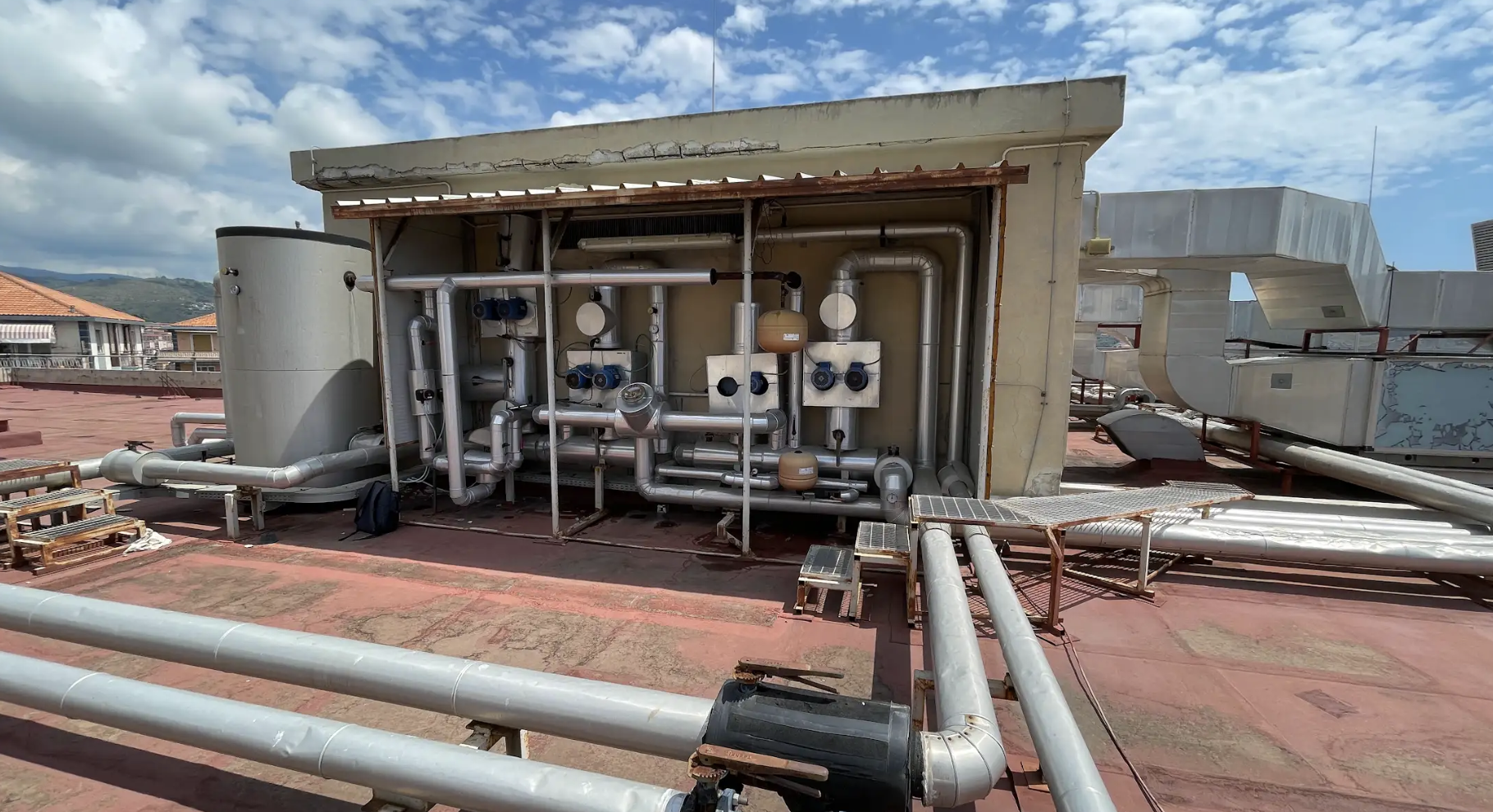
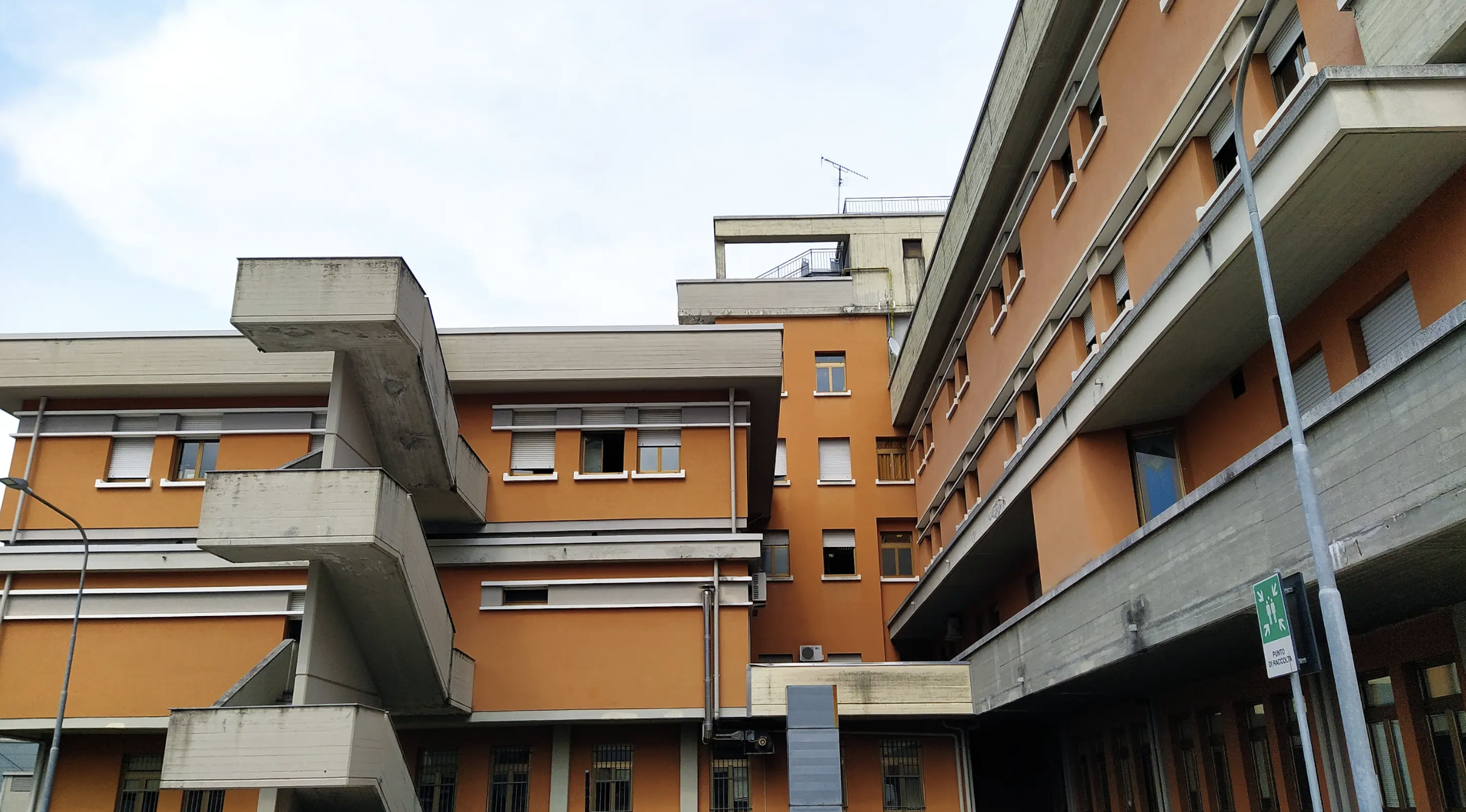
Air Conditioning Systems in Hospitals (HVAC)
Air conditioning systems in hospitals (HVAC) are therefore not intended solely to ensure thermal and humidity comfort, but also to address other aspects, including:
- Air quality monitoring;
- The containment of any pathogens—for example, the infectious diseases ward, which cannot have airflow connecting it to other wards;
- Maintaining exceptionally high air quality in certain environments, such as operating rooms;
- preventing the onset of new illnesses—for example, the risk of respiratory infections, which is increased by excessively low relative humidity levels;
- Promoting the recovery of hospitalized patients—such as burn patients, who prefer high temperatures and humidity, as opposed to patients with arthritis, who prefer high temperatures but low humidity.
The high air-change rates mandated by regulations make hospitals particularly energy-intensive; consequently, the issue of energy efficiency is also a major priority.
In order to minimize energy consumption for air conditioning, heat recovery units are often used in air handling units (AHUs) to reduce the power required to compensate for ventilation losses. Since it is not always possible to use cross-flow heat exchangers—which can lead to contamination—hydronic coil heat exchangers are sometimes chosen instead.
AHUs must also be equipped with adequate filters for both the air drawn from outside and introduced into the space, as well as for the exhaust air, for safety and hygiene reasons.
Water and Sanitation Systems in Hospitals
While air conditioning is a sensitive issue, plumbing and sanitation systems are no less so; they receive special attention to prevent the proliferation of Legionella and other agents that could be harmful to the health of the building’s occupants.
Legionella, which is transmitted through the air, often forms in domestic hot water systems that have dead-end pipes or poor circulation. Given the extensive use of domestic hot water combined with the vulnerability of the occupants, Legionella prevention is a fundamental and critical issue.
Engineering, Design, and Maintenance of Hospital Facilities
As mentioned earlier, hospitals are extremely energy-intensive, and it is therefore only natural that their power generation needs are typically substantial.
It is no coincidence that cogeneration or even trigeneration systems are often used to provide electricity, hot water, and cooling through a single solution, thereby increasing overall efficiency and minimizing the space required for technical facilities.
Hospitals must also ensure continuity of service under all circumstances: a prolonged power outage would have dramatic and potentially irreversible consequences—just think of the operating rooms and the machines that must provide continuous care to patients.
In this regard, backup systems such as uninterruptible power supplies (UPS) and generators are necessary: the former ensure uninterrupted power for short periods (from fractions of a second to a few minutes), while the latter provide power for medium- to long-term periods (from a few hours up to several days).
Thanks to these systems, power dips and blackouts do not pose a safety risk to hospitals. Generators must also be designed to have low noise levels and low emissions, given their proximity to people.
In addition to the hospital facilities just mentioned, there are other facilities, all of which are extremely important:
- the lighting system, which requires certain technical specifications for
- the hospital setting;
- the emergency lighting system;
- Systems for medical gases (such as nitrogen, ozone, oxygen, nitrous oxide, and others);
- Steam systems;
- Compressed air systems (medical and industrial);
- The fire suppression system,
- Special systems such as telephone systems, intercom systems, public address systems, access control and intrusion detection systems, and others.
We’ll discuss these in more detail in another article.
Enertech Solution’s Contribution
Over the years, the multidisciplinary team at Enertech Solution has frequently found itself working on projects involving healthcare facilities such as hospitals or nursing homes and can therefore boast extensive experience in feasibility studies, public-private partnership (PPP) projects, energy audits, and bid proposals for heat management and facility maintenance contracts for hundreds of such buildings.
To name just a few, we have developed the following for our clients, helping them win the contract: the technical design for:
- the open competitive bidding process for the award of an integrated technology multiservice contract, including energy supply, for buildings used in any capacity by public health care administrations (MIES – Edition 1 and Edition 2);
- The open competitive bidding process for the award of the contract for the management, maintenance, and modernization of the facilities of the Ligurian Healthcare System, including the supply of energy sources and other ancillary services.
In the latter case, following the award of the contract to our client, we were also entrusted with the detailed design for the energy retrofit of several HVAC systems at the hospitals in Pietra Ligure, Sanremo, and Imperia, as well as for the generator set at the Bussana hospital.
To give another example, we handled—among other things—the detailed thermomechanical, electrical, and control system design (including logistics and sensors) for the trigeneration plant at the RSA Coopselios site on Via Quarenghi e Baroni in Milan, as well as the preparation of diagnostic reports for the Policlinico di Milano and the preparation of Energy Performance for the ASST Martesana hospitals following renovation work.
Conclusion
Hospital systems are essential for the efficient and safe operation of healthcare facilities.
Proper design and maintenance of HVAC and plumbing systems are essential to ensuring air quality, patient safety, and energy efficiency.
The expertise and experience of companies like Enertech Solution are crucial for addressing the technical and operational challenges of these complex systems.
Frequently Asked Questions (FAQ) About Hospital Facilities
1. What is a hospital HVAC system?
A hospital HVAC (Heating, Ventilation, and Air Conditioning) system is an integrated heating, ventilation, and air conditioning system designed specifically for healthcare needs, ensuring thermal and humidity comfort and protection against pathogens.
2. What are the most critical components of hospital air conditioning systems?
Among the most critical components are the air handling unit (AHU), heat recovery units, air filters, humidity control systems, and ventilation systems.
3. Why is the maintenance of hospital facilities important?
Maintenance is essential for preventing breakdowns, ensuring uninterrupted service, and preventing the spread of bacteria such as Legionella, thereby ensuring a safe environment for patients and staff.
4. How are hospital facilities designed?
The design of hospital facilities generally begins with energy audits and feasibility studies, followed by detailed construction drawings and the integration of advanced technologies to ensure efficiency and safety.
5. What are the challenges involved in managing HVAC systems in hospitals?
The main challenges include managing energy efficiency and ensuring service continuity, as well as monitoring air quality and preventing contamination.