



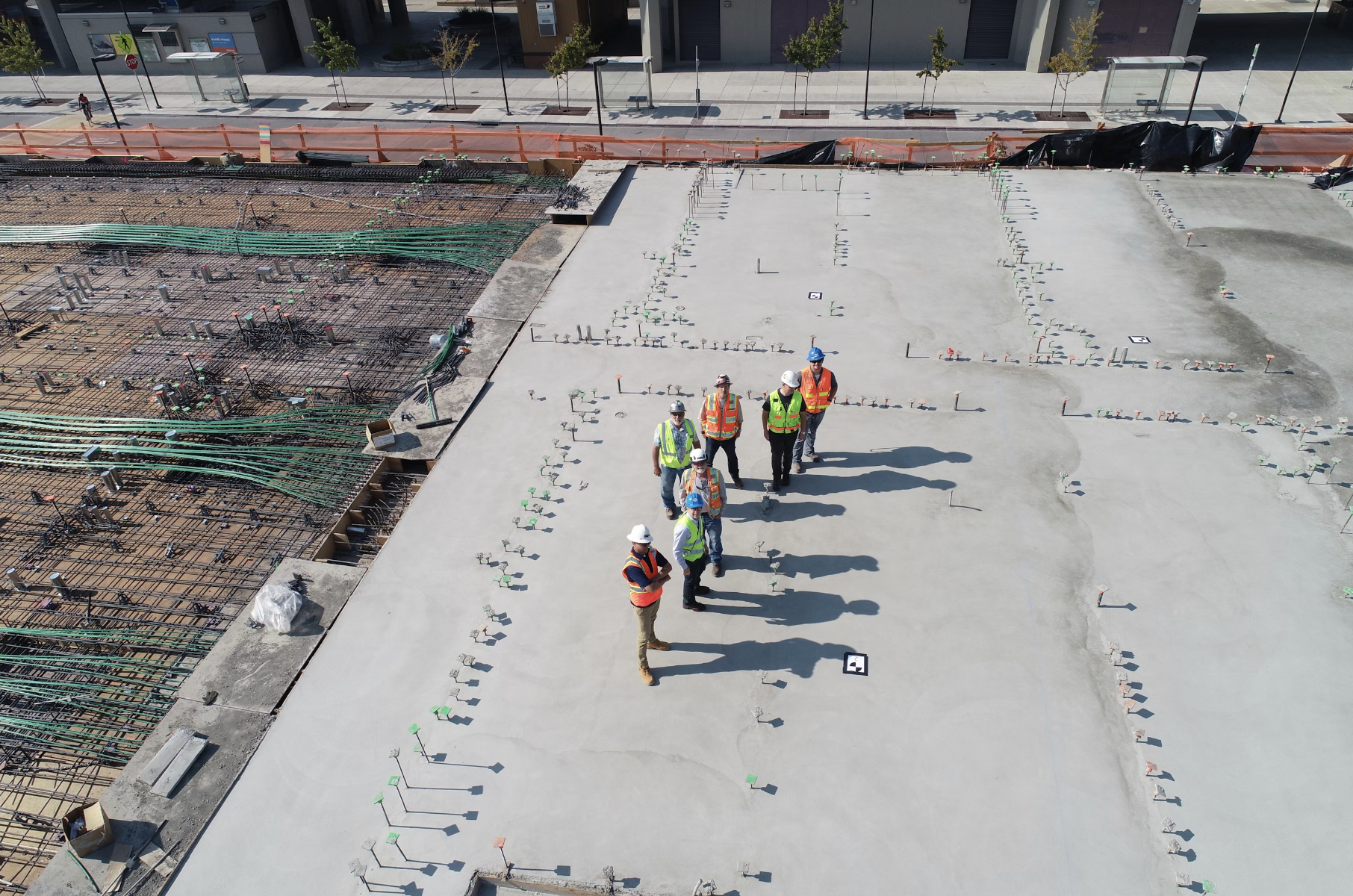
Photo by Scott Blake on Unsplash
Author: Salvatore Cirillo
Among the objectives of engineering is undoubtedly the design, construction, and management of infrastructure and technologies that are fundamental to the development and progress of society. In an increasingly interconnected and complex world,a multidisciplinary approach in this field has become essential for addressing today’s challenges and promoting cutting-edge solutions. The success of a complex project necessarily requires that the various professionals involved take into account not only all the complementary aspects within their own discipline but also all the facets where their work intersects with other fields. Discover our energy efficiency services for businesses and public agencies.
One of the fields most heavily involved in this process is undoubtedly energy engineering. With the growing demand for energy and the need to reduce greenhouse gas emissions, energy engineers are called upon to design and develop solutions for cleaner and more efficient energy production. In this context, a multidisciplinary approach is essential for integrating expertise from various fields—such as mechanical engineering, chemical engineering, and computer science—in order to develop innovative and sustainable solutions. Learn more about our projects, particularly the detailed design for the retrofit of the compressed air system serving the district heating plant in a municipality in northern Italy.
Another field that requires a multidisciplinary approach is undoubtedly civil engineering. With urbanization on the rise and the need to build increasingly complex and resilient infrastructure—while always taking into account the actual condition of existing buildings and infrastructure— civil engineers must be able to integrate, among other fields, knowledge of architecture, structural mechanics, and hydraulic engineering. Only through a holistic and multidisciplinary approach is it possible to ensure the construction of efficient, safe buildings and infrastructure that meet the needs of owners and the environment, as well as the retrofitting of existing buildings. Learn about the energy retrofit project for four schools in Brescia.
Last but not least, facility management also requires a comprehensive perspective that takes into account every discipline involved in various ways throughout the useful life of the building-system complex. The maintenance of systems and structures is one of the key disciplines of facility management, as it ensures the proper functioning of buildings and, at the same time, the safety of their occupants. In order to develop an effective plan for the operation, management, and maintenance of systems and structures, the professionals involved must not only have a clear understanding of how the systems and building envelope function, but they must also possess logistical and managerial skills, as well as knowledge of regulations and safety-related specifics. Learn more about the project proposal submitted for the University of Bologna Maintenance Framework Agreement tender—CIG: 9317271742.
Looking to the future, it is clear that the market—specifically in the engineering sector—is increasingly in need of professionals who can integrate knowledge and skills from various disciplines. This is where Enertech Solution has been active for over 15 years, deploying professionals who proactively address challenges related to sustainability and energy efficiency through solutions that take into account not only technical and economic aspects, but also social and environmental ones.
Today, Enertech Solution boasts a cohesive team of professionals who work together every day to achieve their goals, drawing on a diverse and comprehensive range of expertise: energy engineers, thermomechanical engineers, electrical engineers, computer engineers, building management engineers, civil engineers, and architects.
It is essential that companies and institutions in the sector promote collaboration among professionals from different disciplines, creating synergies and opportunities to share their respective knowledge. Only through a culture of multidisciplinarity and collaboration will it be possible to achieve new goals and promote increasingly cutting-edge solutions.
In the near future, it will be essential to promote research and development of technologies aimed at producing clean and efficient energy, reducing environmental impact, and contributing to the fight against climate change. Furthermore, it will be important to incorporate these same principles into building design as well, ensuring the safety and well-being of all those involved. In this context, professionals will increasingly need to integrate the skills they have acquired, working in an interdisciplinary and collaborative manner, so as to address and overcome the challenges of the future within a sustainable and innovative framework.