



Photo by Igor Omilaev on Unsplash
Author: Francesco Giuseppe Lefosse
Artificial intelligence represents one of the most fascinating and revolutionary frontiers of modern technology. In recent years, advances in machine learning algorithms, neural networks, and big data have found applications in a wide range of sectors, from medicine to finance, from manufacturing to the Internet of Things (IoT). Among these applications, one of the most promising areas is the integration of HVAC (Heating, Ventilation, and Air Conditioning) systems with AI.
HVAC (Heating, Ventilation, and Air Conditioning) systems have undergone a significant evolution thanks tothe integration of artificial intelligence. The adoption of this technology not only optimizes system performance but also significantly contributes to improvedenergy efficiency and indoor comfort. This article explores the main applications of AI in HVAC systems, analyzing the benefits, technical challenges, and future prospects.
Artificial Intelligence Applied to HVAC Systems
Artificial intelligence enables real-time monitoring, predictive analytics, and process automation, making HVAC systems more efficient and responsive to user needs, thanks to the widespread adoption of increasingly sensitive and precise control systems. Through the integration of advanced sensors, AI systems are capable of:
- Collect data from environmental sensors and thermostats;
- Create a digital replica of the actual plant (digital twin) for continuous, remote monitoring;
- Dynamically adapt to users’ needs.
Where building envelopes and systems are obsolete and underperforming, there is ample room for improvement: there is a wide range of possible improvement measures, and monitoring often ends up at the bottom of the priority list. Conversely, in modern buildings that comply with regulatory requirements, improvements can be achieved only by optimizing energy use and consumption.
AI serves as a bridge between the physical and digital components of the HVAC system: once it receives data from the field sensors, it learns and autonomously adjusts the actions to be taken, transmitting them to the digital twin, which in turn implements them on the actual system.
Turning to the relationship between the model and field instruments, unlike traditional systems, the integration of artificial intelligence makes it possible to expand the set of parameters to include not only measurable physical parameters but also less tangible ones that cannot be expressed in units of measurement. These include end-user behavior and preferences, the autonomous generation of occupancy profiles, and adaptation to environmental loads through weather forecasting. As a result, whereas in the past it was only possible to improve equipment performance, with AI it is now also possible to quantify, monitor, and manage thermal comfort.
To go into more detail, artificial intelligence offers practical applications for improving the performance of HVAC systems by monitoring environmental and system operating parameters, including:
- Indoor air quality control (fresh air or recirculated air);
- Room temperature control;
- Optimizing the use of outside air to reduce energy consumption.
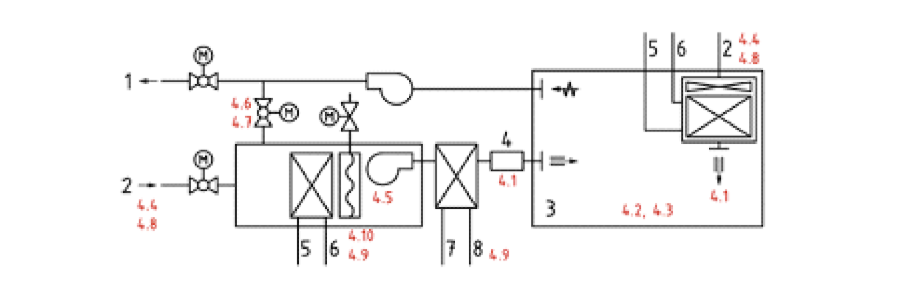
Figure 1. Control system and corresponding feedback measurement points.
How AI Systems Work in HVAC Systems
AI applied to HVAC systems revolves around the concept of machine learning (ML), and its operating logic depends on the source of the data. Depending on the source of the input and output data, there are four different ML approaches that can be used as needed.
- Supervised ML, used in the field of forecasting, which trains the system to generate outputs based on known input data. A useful application of this is the optimization of energy consumption using a model that can predict the required load in real time and optimize the system settings;
- Unsupervised ML, used to organize the input to be provided to a supervised system. It optimizes data clustering, and since it is not “trained,” it allows for the identification of even hidden correlations between input and output clusters. It is widely used in anomaly detection, as it highlights data that deviate from obvious patterns;
- Semi-supervised ML, a combination of the first two approaches, used to refine data classification and improve the accuracy of predictive models by leveraging both labeled and unlabeled inputs;
- ML with reinforcement, based on a dynamic model consisting of inputs, feedback, and ongoing adjustments, which, however, requires greater computational and economic resources to operate the process. The prime example of this approach is the dynamic feedback loop model, which adjusts the action based on the outcome of the corrective action previously carried out in the environment.
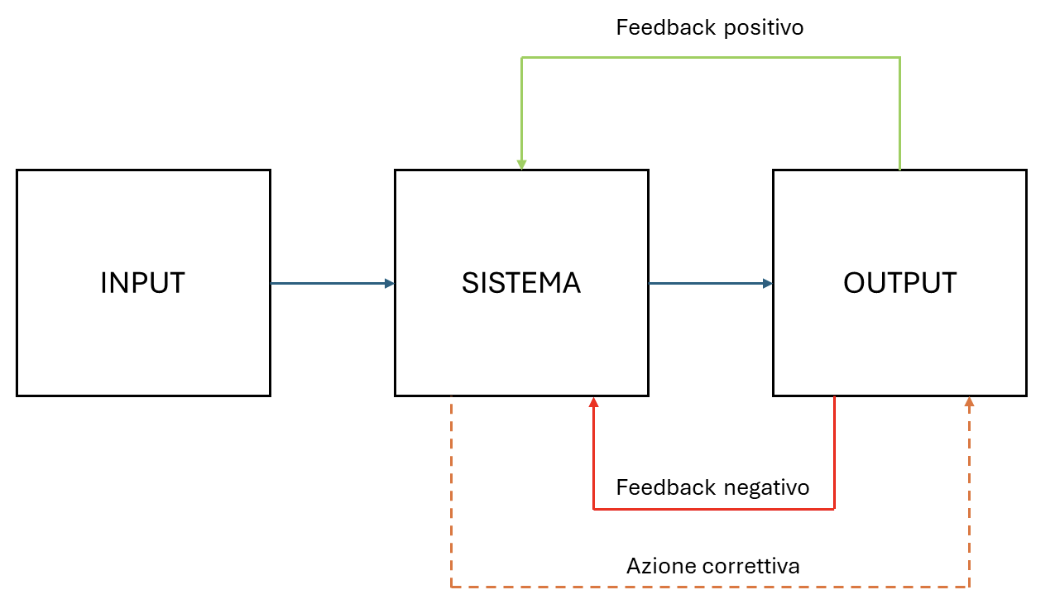
Figure 2. Illustration of the dynamic feedback-loop model
We are here to help you
Please contact us for any information you may need.
The latest news from the industry
Receive the latest articles from our blog on your email
Benefits of AI-HVAC Integration
It may be useful to conduct a comprehensive assessment of the energy and environmental benefits that can be achieved through the integration of HVAC and AI systems. According to a study from July 2024 The Potential of Artificial Intelligence to Reduce Energy Consumption and Carbon Emissions in Commercial Buildings at Scale (Chao Ding et al.), between now and 2050, through artificial intelligence, by increasingly promoting and incentivizing both HEEBs (High Energy Efficiency Buildings) and nZEBs (near-Zero Energy Buildings), it will be possible to achieve energy consumption savings ranging from 21% to 50%, depending on the stringency of the policies implemented. Furthermore, with regard to CO 2, keeping in mind the goal of carbon neutrality by 2050, the reduction could range from 60% to 95%.
The integration of HVAC systems and AI offers a practical solution for improvingenergy efficiency, optimizing indoor comfort, and reducing environmental impact. Thanksto predictive analytics and intelligent automation, it is possible to achieve significant energy savings and contribute to carbon neutrality goals. Investing in advanced AI-based control systems not only optimizes resources but also promotes building sustainability by enabling smart management of the environments in which we live every day.
1. UNI EN 15232-1:2017 - Energy performance of buildings - Part 1: Impact of building automation, control, and technical management
2. https://www.nature.com/articles/s41467-024-50088-4