



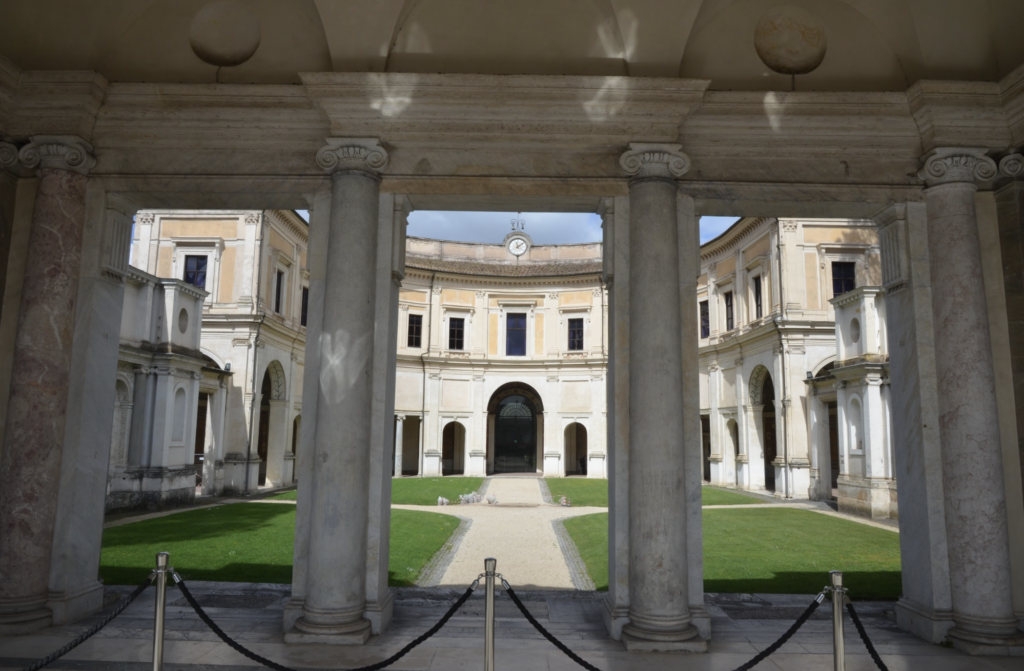
Subject of the contract: Feasibility study aimed at establishing a public-private partnership for a museum complex in the City of Rome.
Objective of the contract: Preparation of a technical and economic feasibility study regarding the energy retrofit of museum buildings of significant historical value.
Key information
Client Name: Multinational company specializing in energy management and energy retrofitting
Project Name: Preliminary Design for the Renovation of Facilities at a Museum Complex in Rome
Project Period: March – June 2022
Total cost of the work: The total cost of the planned energy efficiency upgrades is estimated at approximately €392,764 (excluding costs for design, construction supervision, safety coordination, and temporary works).
Buildings involved: The complex in question consists of two buildings—one used as a museum and the other as offices—with a gross heated area of approximately 10,000 m² and 1,000 m², respectively.
Description of activities:
Following an assessment of the current condition of the Museum’s buildings and systems through on-site inspections, and a documentary analysis of the data provided by the Administration, energy models of the buildings were developed in accordance with the provisions of the UNI TS 11300 standard. This made it possible to identify and design energy retrofit measures, quantifying the resulting energy savings and emissions avoided. Furthermore, during the preliminary phase of the technical-economic feasibility study, the necessary investments and available incentives were evaluated.
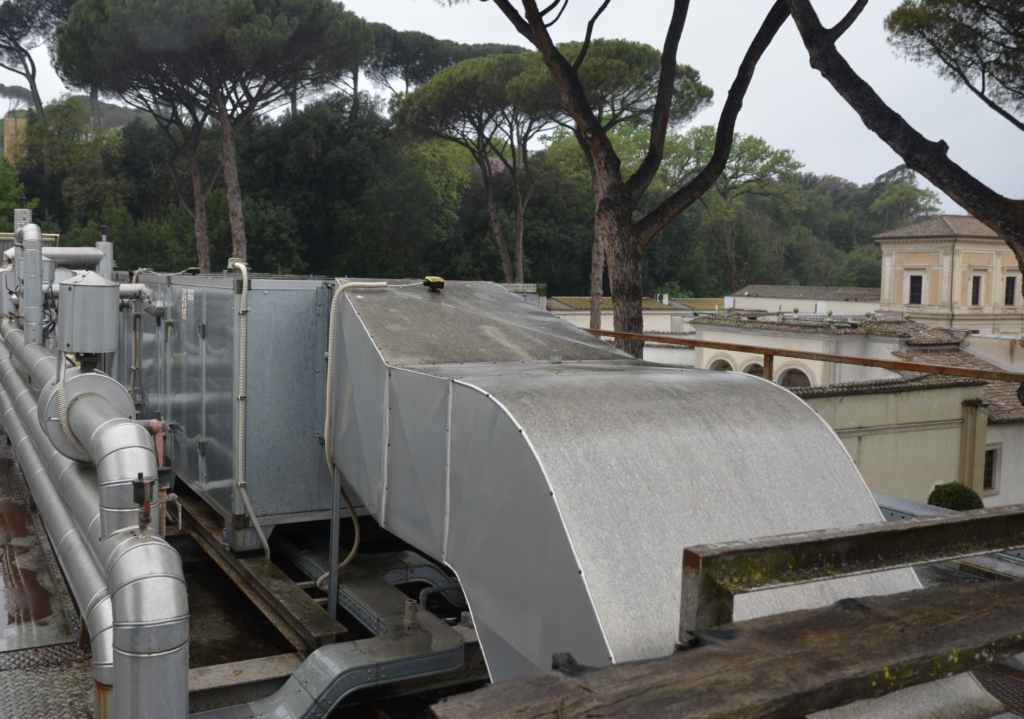
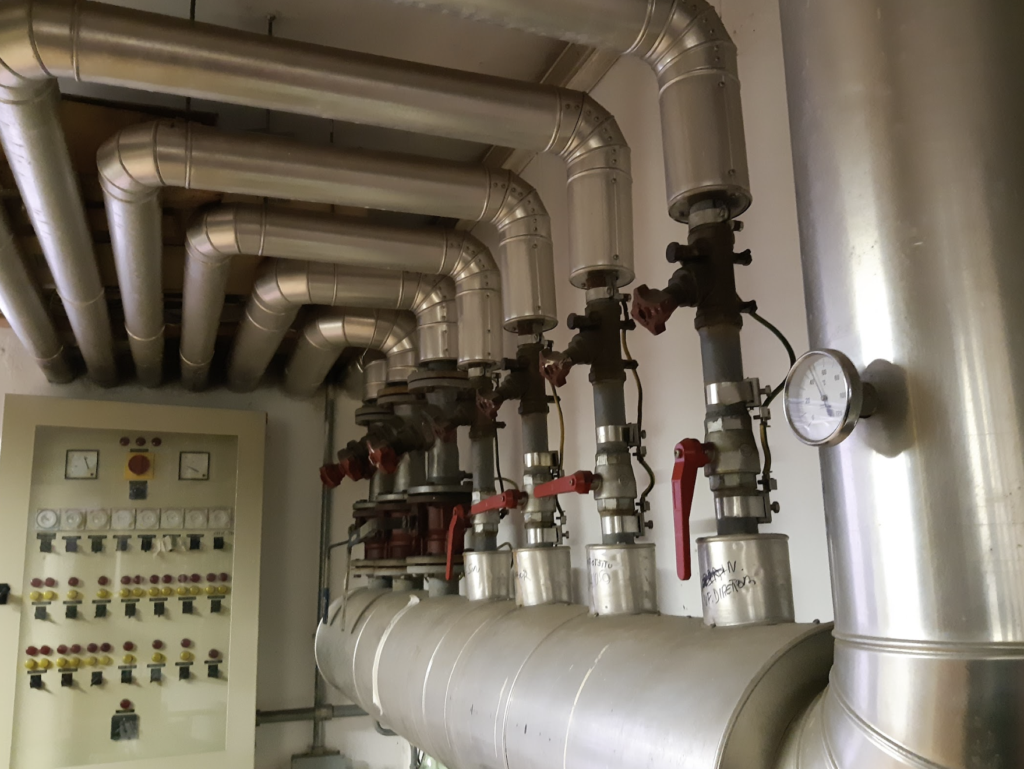
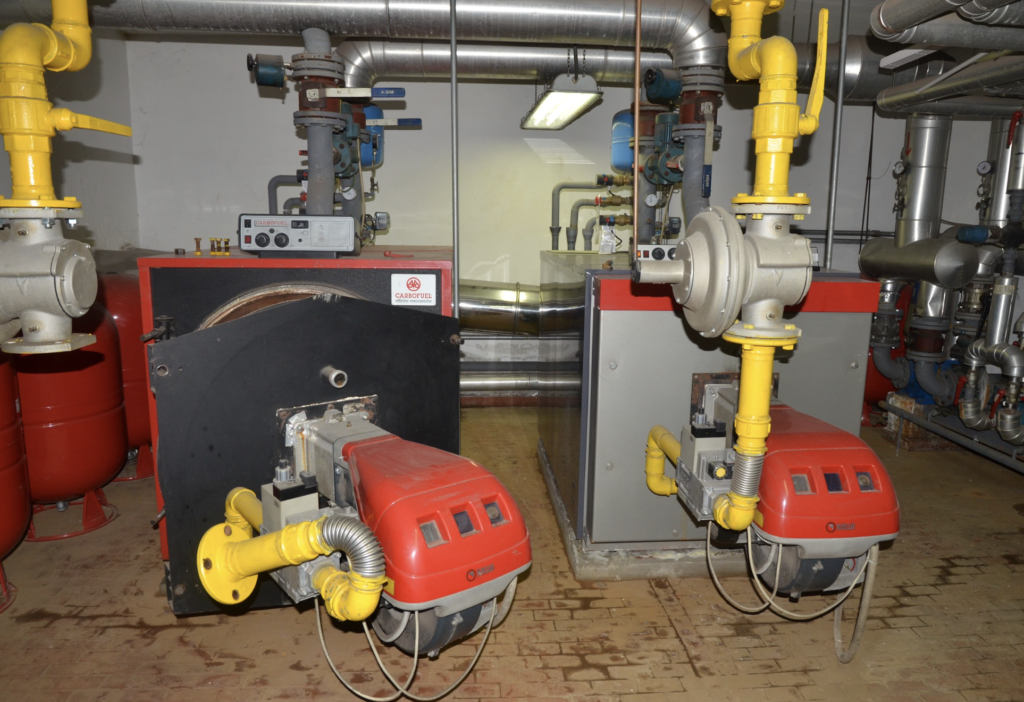
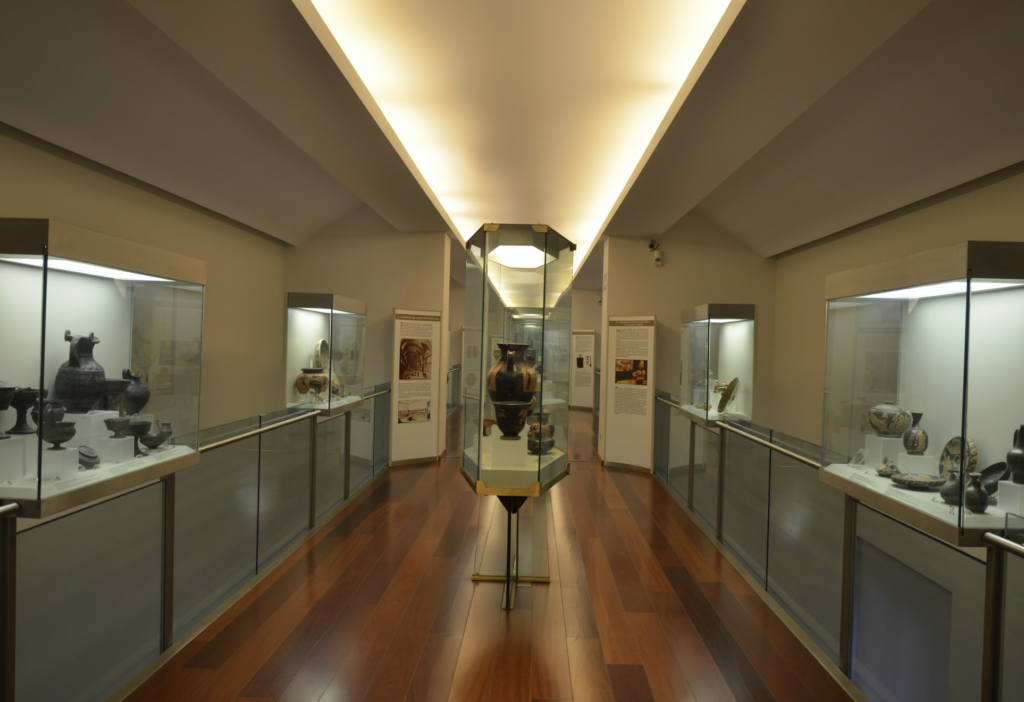
Among the most glaring issues identified is undoubtedly the presence of a non-functioning air-handling unit, which prevents the control of relative humidity in the exhibition spaces and could lead to premature deterioration of the statues not enclosed in display cases. Furthermore, the lighting in some exhibition halls is insufficient and, in any case, relies on traditional and fluorescent light fixtures that consume a great deal of energy. Added to this is the presence of outdated and inefficient heating and summer cooling systems.
In the technical and economic feasibility study, the goal of improving the efficiency of the heating and electrical systems led to a proposal to replace the oldest air-handling units (AHUs), generators, and chillers; upgrade the lighting in interior areas; and automate the lighting system. In addition, measures were identified to insulate the piping, install inverter-controlled circulators, implement integrated remote facility management systems, and bring safety and control devices into compliance with current regulations.
Do you need counseling?
Fill out the form, and we will get back to you as soon as possible.