



Subject of the Contract: Technical and Economic Feasibility Study for Energy-Efficiency Retrofit Projects in Municipal Buildings
Project Objective: To identify critical issues at the sites under analysis and develop energy retrofit measures aimed at improving energy efficiency, while ensuring compliance with applicable regulations, including regulatory compliance.
Key information
Client Name: A company based in northern Italy that specializes in air conditioning systems, district heating, and energy efficiency
Project Name: Public-Private Partnership Project for a municipality in Piedmont with over 100,000 residents.
Project Period: September – November 2023
Total cost of the work: €3,750,508
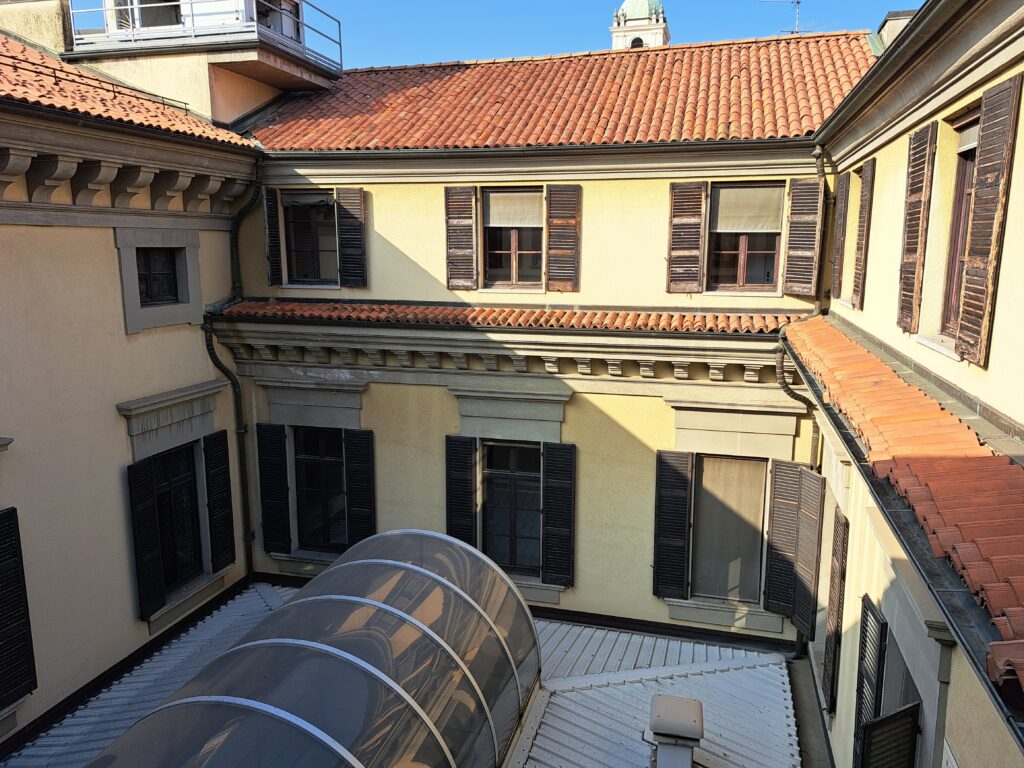
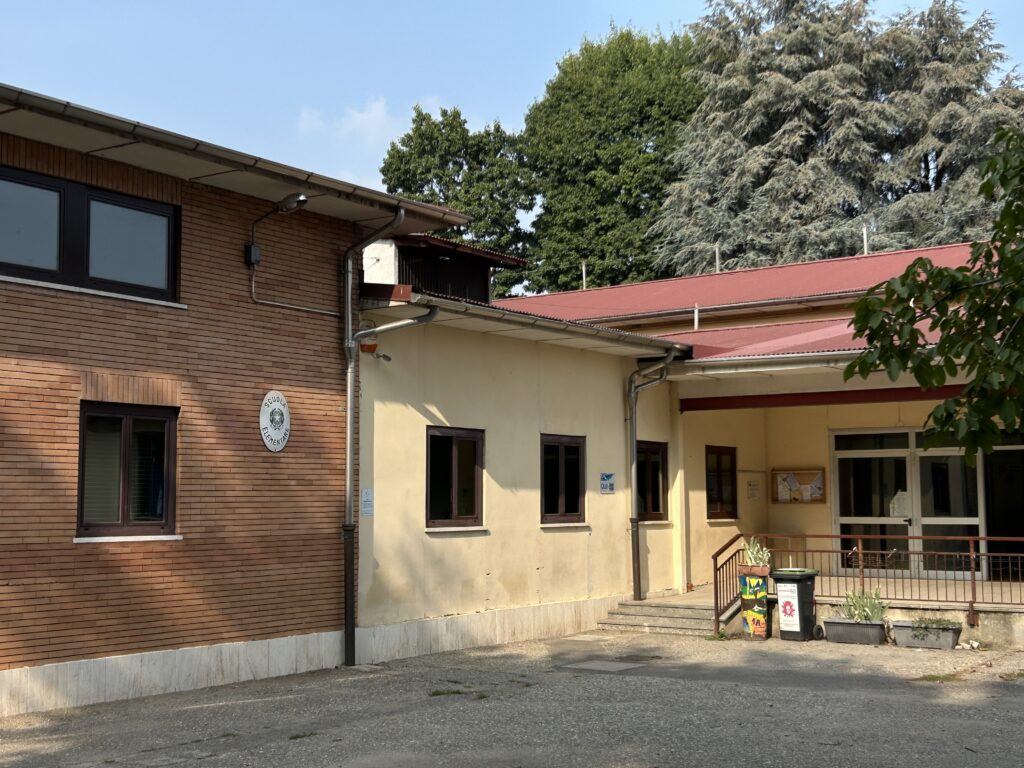
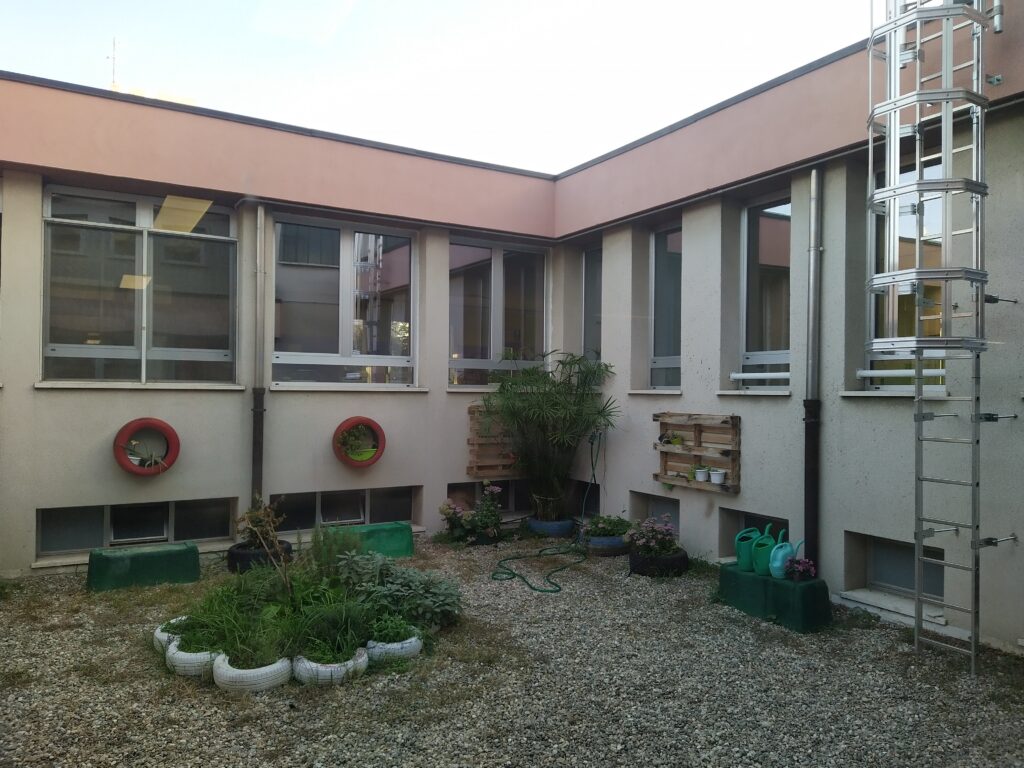
Buildings involved: Approximately 100 public buildings located within the municipality, with a total floor area of approximately 180,000 m² and a total gross volume of approximately 722,000 m³
In preparing the Public-Private Partnership project in question and the related documentation, a thorough analysis was conducted of the documentation providedby the Administration and the Client, including floor plans, utility lists, and consumption data. This phase was supplemented by specific on-site inspections aimed at assessing the building and systems infrastructure of each structure.
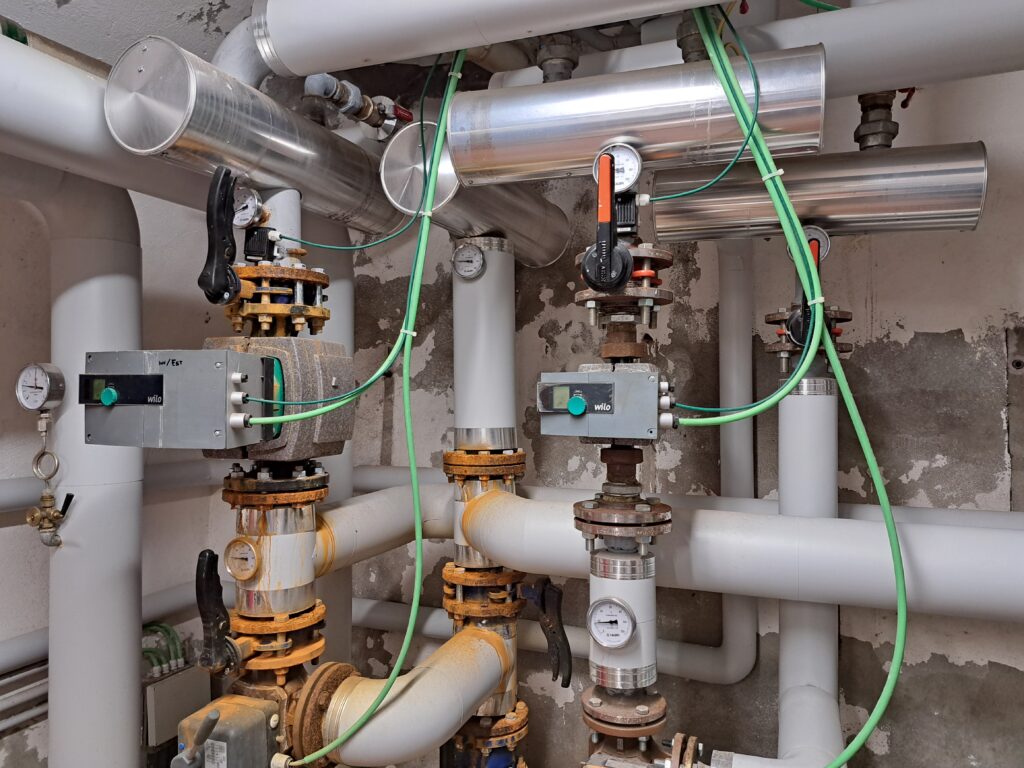
Overall, during the PPublic-Private Partnership project, 276 measures were identified aimed at resolving the critical issues found and capitalizing on the main opportunities for renovation and energy efficiency improvements available for each individual building. These measures includeoptimizing the heating system— replacing old boilers with high-efficiency condensing models, insulating pipes, and installing advanced management and monitoringsystems. Furthermore, as part of the PPublic-Private Partnership project, includes measures aimed at eliminating mixed-use spaces and implementing environmental control systems.
Improvements to the electrical system include replacing traditional light bulbs with LED technology, installing motion sensors, andupgrading the circulation pumps to inverter-driven units. Plans also call for the introduction of renewable energy systems, such as the installation of solar panels, an electric air-to-water heat pump, and four electric air-to-water heat pumps for domestic hot water. Finally, regulatory compliance measures are planned to ensure adherence to current regulations.
At the same time, a cost-benefit analysis was conducted using energy models based on the UNI TS 11300 standard and parametric cost models.
Finally, documents were prepared outlining the general framework, analyzing the bill of quantities and the financial framework, as well as reports on the current status and the project status of PPublic-Private Partnership for the selected projects.
Do you need counseling?
Fill out the form, and we will get back to you as soon as possible.