



Author: Simone Radaelli
Key Points on Remote Reading of Heat Meters
- By January 1, 2027, the affected devices must be readable remotely, subject to the conditions set forth by law.
- Remote meter reading allows data to be collected without accessing individual residential units.
- With remotely readable meters, consumption data must be provided at least monthly during the usage season.
- As a rule, at least 50% of the consumption should be attributed to actual voluntary withdrawals of thermal energy.
- Before replacing the meters, it’s a good idea to check which ones are working and where data transmission is interrupted.
Condominiums and multi-unit buildings served by a centralized heating or cooling system have a specific deadline: By January 1, 2027, heat meters and metering systems must be remotely readable (Legislative Decree 102/2014, Art. 9, para. 5-bis). This requirement applies unless it is technically unfeasible or not cost-effective.
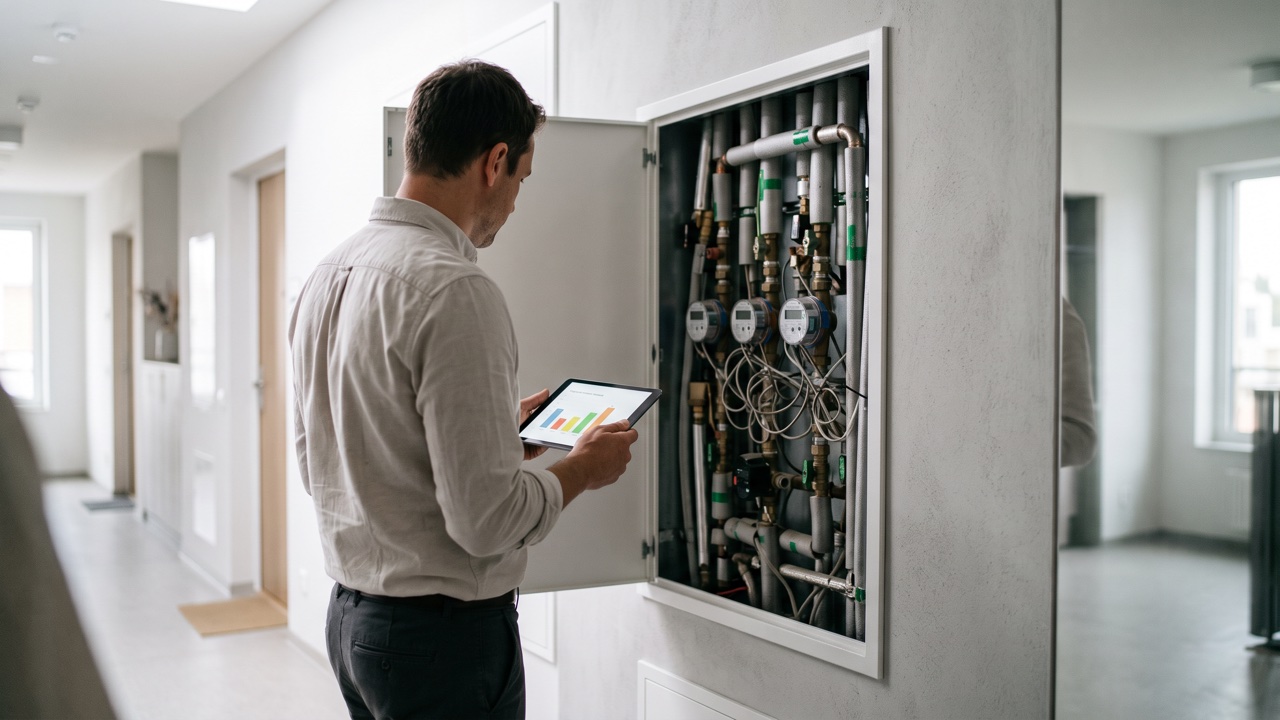
Table of Contents
How Remote Meter Reading Works
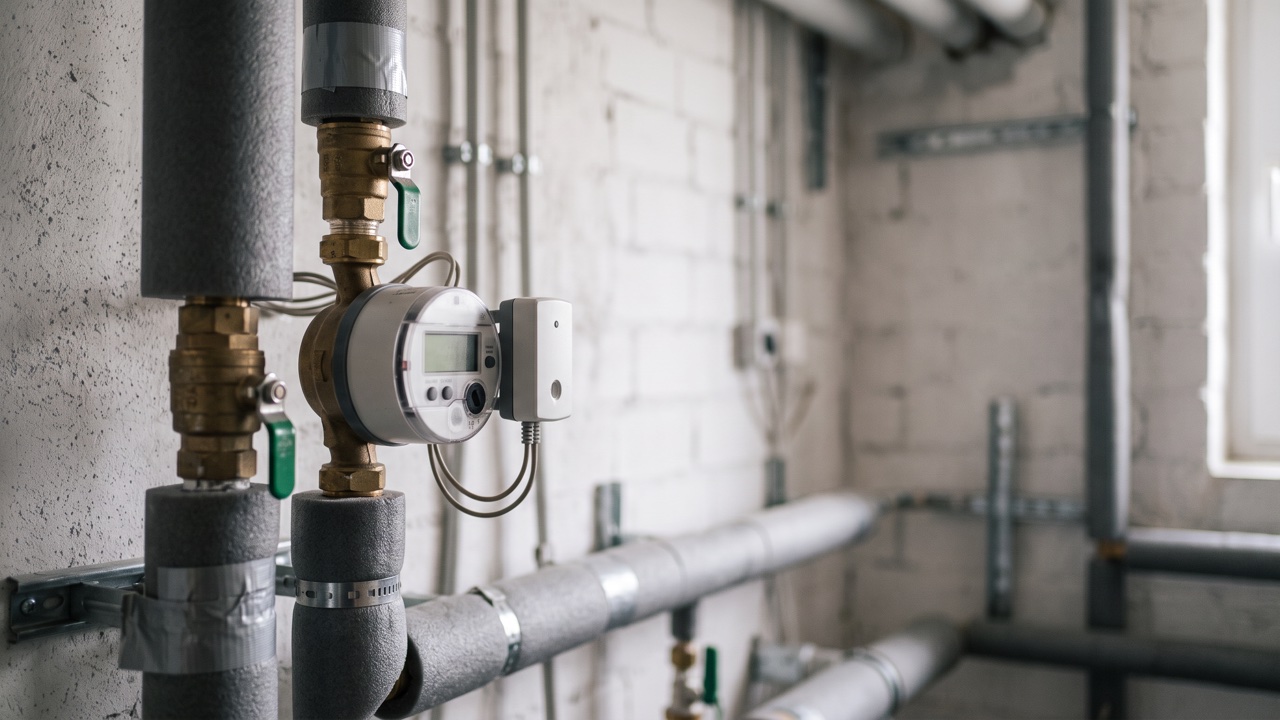
The law does not mandate a specific technology: it is sufficient that meter readings be taken without entering individual units. This is the purpose of remote heat meter reading: to enable the remote collection of the data needed to track consumption and manage billing.
In addition, with remotely readable meters, each user must receive information about their consumption at least once a month during the heating and cooling seasons.
There is also a fundamental requirement: as a general rule, at least 50% of the expenses must be allocated based on the actual consumption of each unit. The law provides for fines ranging from 500 to 2,500 euros for those who fail to comply.
Water Meter and Heat Meter: What’s the Difference?
A heat meter measures the thermal energy supplied toa residential unit or a portion of the heating system.
The device commonly referred to as a heat meter, when installed on an individual radiator, acts as a heat allocator: its readings are used to assign a portion of consumption to individual heating elements. This distinction is useful when determining which devices are present and how their data is used to allocate expenses.
Five reviews before the 2027 deadline
Many facilities have meters that have been installed for years, connected to a monitoring system that no one closely monitors anymore. Before the deadline, it’s a good idea to ask yourself five questions:
- Do all meters actually transmit data? A meter wired to the monitoring system can only be read remotely if the readings are transmitted. A meter that is not transmitting—whether due to a malfunction or a broken cable— cannot be read.
- Are costs allocated based on consumption? If meters can no longer be read, the allocation often reverts to a per-thousand basis, which is precisely what the law seeks to avoid.
- Do users receive information about their consumption? With remote meter reading,this information must be provided at least once a month, including viaa web portal.
- Do you know if your meters are subject to periodic inspection? It dependson the system and how the readings areused: this is a question you should ask yourself before deciding whether to replace them.
- Do you know which meters actually need to be replaced? Replacing the entire fleet is expensive, and often unnecessary.
Case Study: Heat Meters in a Commercial Complex
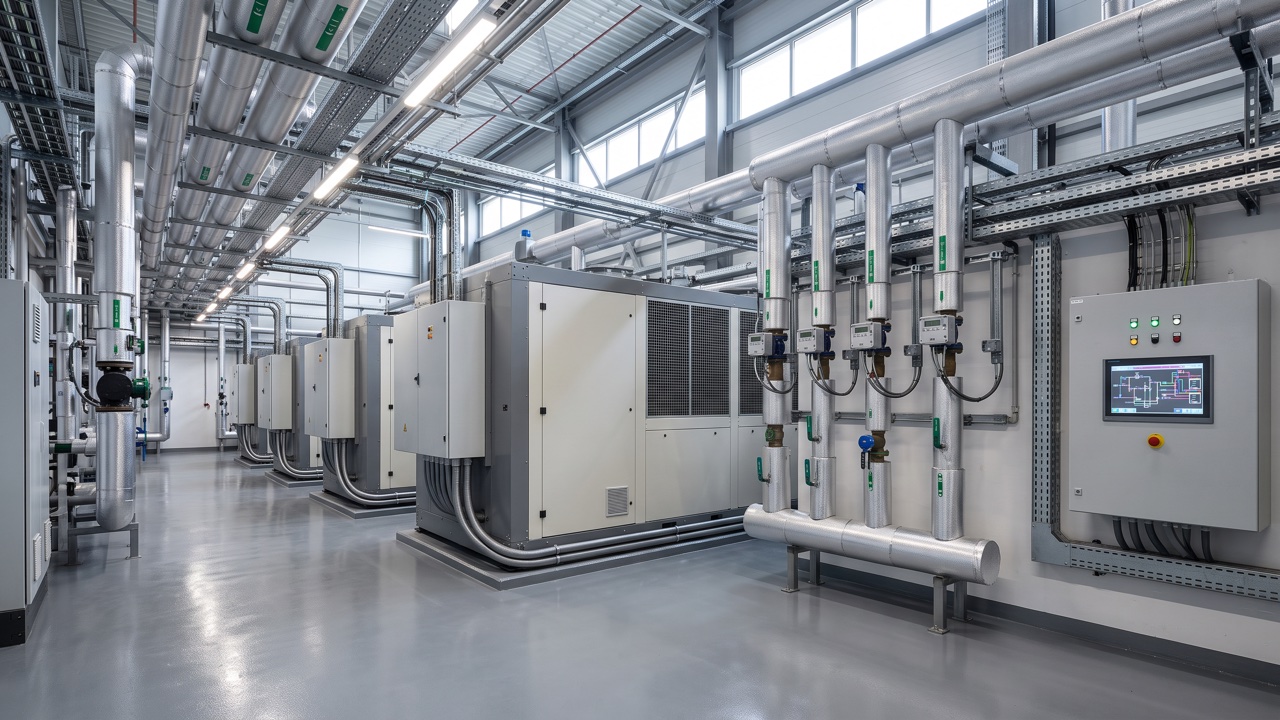
A large commercial complex with many units, cooled by heat pump systems, asked us to clarify the status of its heat meters. They had been installed twenty years ago and connected to the monitoring system, but about half of them were no longer communicating. As a result, the allocation of expenses had reverted entirely to a per-unit basis.
The property owners had three questions:
- Can the meters that are working remain in service?
- Can the replacement of faulty meters be postponed beyond 2027?
- Are there any penalties involved?
We reviewed laws, decrees, technical standards, guidelines from government ministries and ENEA, and case law. The answer depends on the system’s design and how the meter readings are used, and it is not straightforward: in this case, for example, not all meters needed to be replaced.
Frequently Asked Questions About Remote Reading of Heat Meters
Is it mandatory to remotely read heat meters?
Yes, for devices covered by Article 9, paragraph 5-bis, of Legislative Decree 102/2014. By January 1, 2027, remote reading must be possible, subject to conditions of technical feasibility and cost-effectiveness.
Do all heat meters need to be replaced by 2027?
No.The upgrade may involve making an existing device readable remotely or, if necessary, replacing it. If the device was already connected to the monitoring system but readings are not coming through, it’s best to first identify the cause: a broken connection and a faulty meter require different solutions.
Does remote meter reading replace periodic meter verification?
No. Remote meter reading involvesthe remotecollection of data; periodic verification concernsthe metrological suitability of the meter, when required. Applicability must be assessed based on the type of device andthe intended use of the measurements, in accordance with the regulations governing the inspection of measuring instruments in service.
Check meter readings remotely with Enertech Solution
Every system has its own history, and the right answer depends on how it’s designed and how the readings are used. Enertech Solution can help you:
- Check the status of the metering network and determine which meters are malfunctioning and which are simply disconnected.
- Understand the requirements that apply to your system, including periodic meter inspections .
- Plan for the restoration of remote meter reading and the possible replacement of meters by the 2027 deadline.
Contact Us to check the status of the remote meter reading for your facility or learn more about our energy consumption monitoring.
This article is for informational purposes only and is not a substitute for legal advice.