



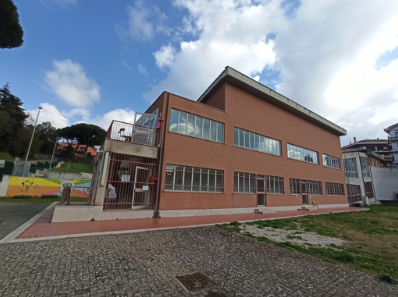
Subject of the contract: a technical and economic feasibility study aimed at establishing a Public-Private Partnership (PPP) for a complex of buildings owned by a municipality in the Province of Rome—southern area.
Objective of the contract: to identify design proposals for the renovation of municipal buildings.
Key information
Client Name: A leading international player in the energy transition sector
Project Name: Preliminary Design for a Public-Private Partnership (PPP) in a municipality in the province of Rome, southern area
Project Period: February – June 2023
Total cost of work: total estimated cost of the feasibility study for buildings owned by the municipality: €1,051,514
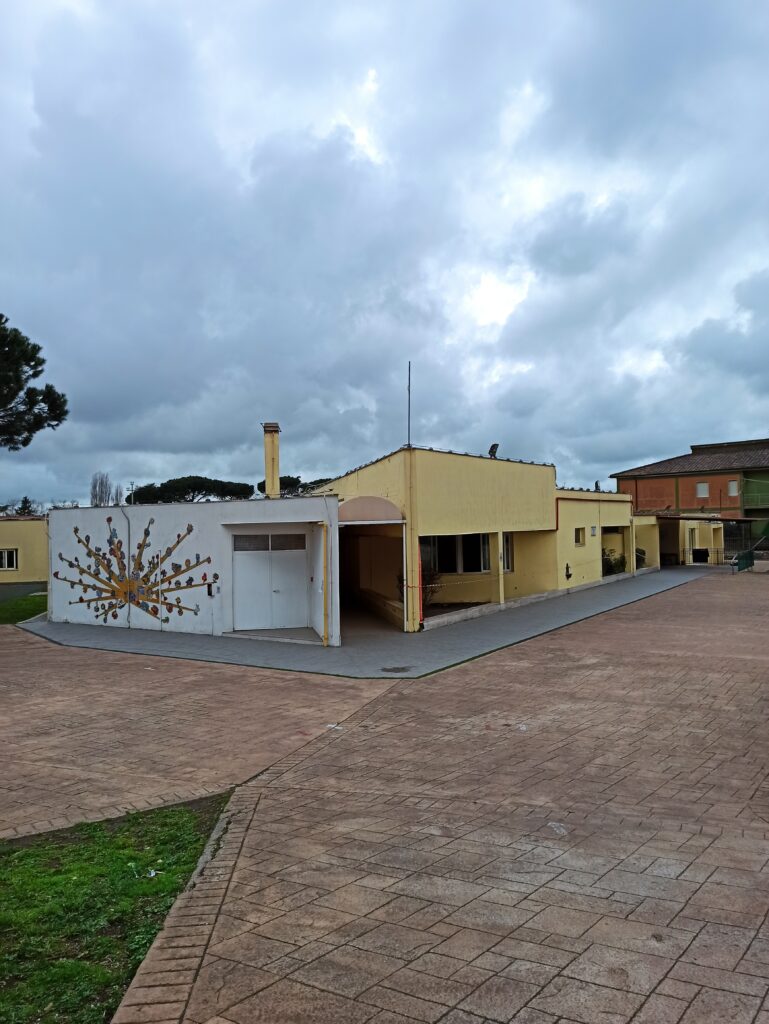
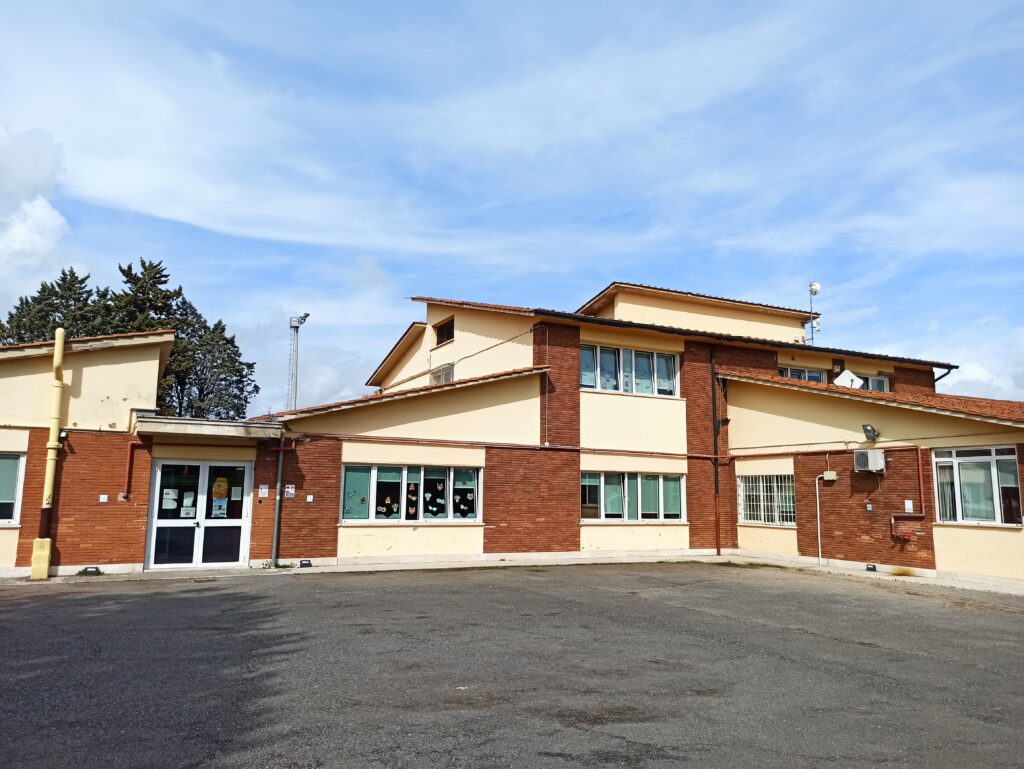
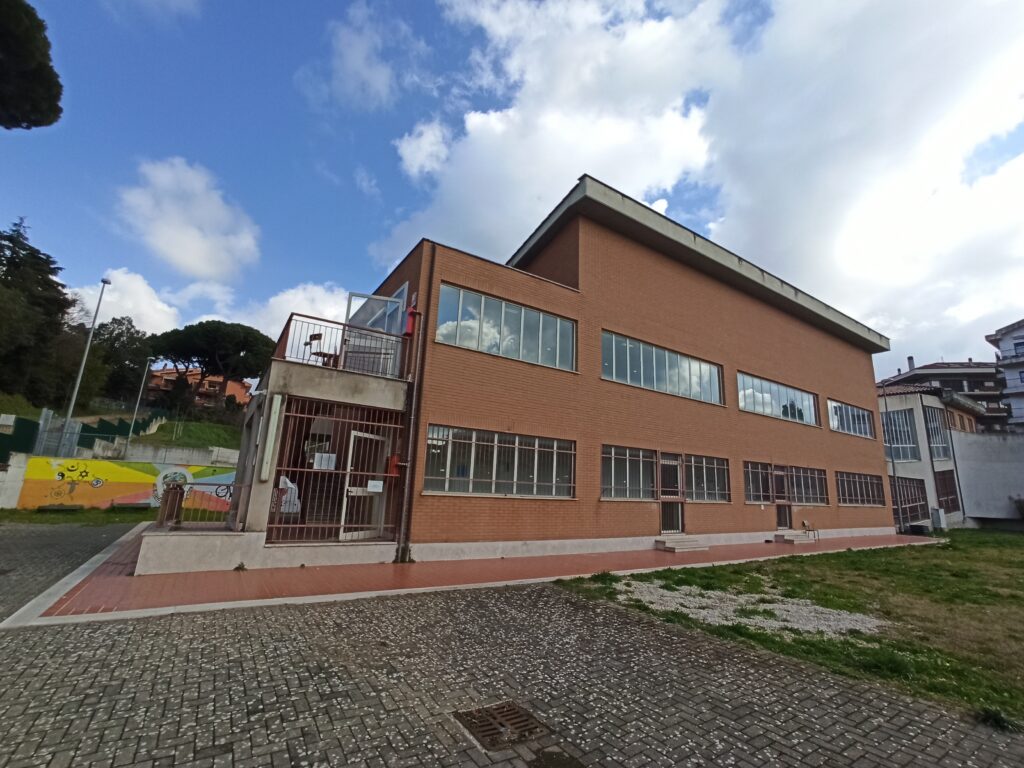
Buildings involved: Following agreements reached withthe municipal administration, 19 properties have been identified as potential candidates for renovation, with a total net floor area of approximately 24,866 m² and a total gross heated volume of 78,210 m³.
Brief description of the planned activities:
Following an assessment of the current condition of the municipal real estate portfolio ’s buildings and systems —conducted through on-site inspections and a documentary analysis of the data provided by the Administration— energy models for the buildings were developed in accordance with the provisions of the UNI TS 11300 standard.
This made it possible to identify and design energy retrofit measures, quantify the resulting energy savings and emissions avoided, and assess the necessary investments and available incentives using parametric cost models consistent with the public-private partnership framework.
Among the most obvious issues identified are certainly the absence, in almost all buildings, of room control systems (thermostatic valves on radiators and two-way valves on fan coil units), remote control and monitoring systems, and lighting fixtures equipped with the most efficient technology (LEDs), with energy-intensive lighting systems being used instead. Added to this was the presence of outdated and inefficient heating systems.
In addition, measures were identified to insulate the piping, install circulators with inverters, and bring safety and control devices up to current regulatory standards.
In order to expand the plant infrastructure and generate electricity from renewable sources, photovoltaic systems were proposed for one-third of the buildings.
Finally, reports and technical drawings were prepared for submissionto the municipal administration of the proposal to implement the energy retrofit project, in accordance with the terms of the public-private partnership.
Do you need counseling?
Fill out the form, and we will get back to you as soon as possible.