



Energy consumption monitoring services
Technical Services

Monitoring energy consumption allows for the collection and analysis of data on a building’s energy use, with the aim of identifying opportunities for energy savings and improving the efficiency of the facilities. Monitoring also fulfills a legal requirement: Legislative Decree 102/2014 mandates that large companies and energy-intensive businesses conduct energy audits, which, in turn, must include a monitoring strategy and a measurement of energy consumption.
Enertech Solution offers services related to the monitoring and supervision of energy consumption and assists its clients in developing a measurement and monitoring plan aimed at increasing energy efficiency.
An energy audit, which is mandatory for certain types of businesses, must be designed to provide an in-depth and reliable understanding of the energy consumption patterns of the facilities being analyzed. To this end, it is always useful—and sometimes necessary—to implement a measurement and monitoring plan. This plan makes it possible to identify the consumption points to be monitored, according to a structure known as a “meter tree,” to select the type and specifications of the instruments to be used, and to define the methodology for data acquisition and management, including calibration procedures and data collection frequency. It is also possible to implement an energy management system that enables the definition of a set of processes, procedures, and tools aimed at optimizing energy use within a facility. Monitoring activities may include various tasks, such as collecting and analyzing energy consumption data, setting energy-saving targets, and developing action plans to achieve them.
Enertech Solution has a team of highly qualified engineers specializing in energy consumption monitoring. They will assist the client in fulfilling their regulatory obligations regarding diagnostics and in developing a measurement and monitoring plan tailored to the organization’s needs. Therefore, both the energy savings achievable through consumption monitoring and the costs associated with installing meters and any automated data recording and processing systems will be taken into account, resulting in a plan tailored to the specific characteristics of each context.
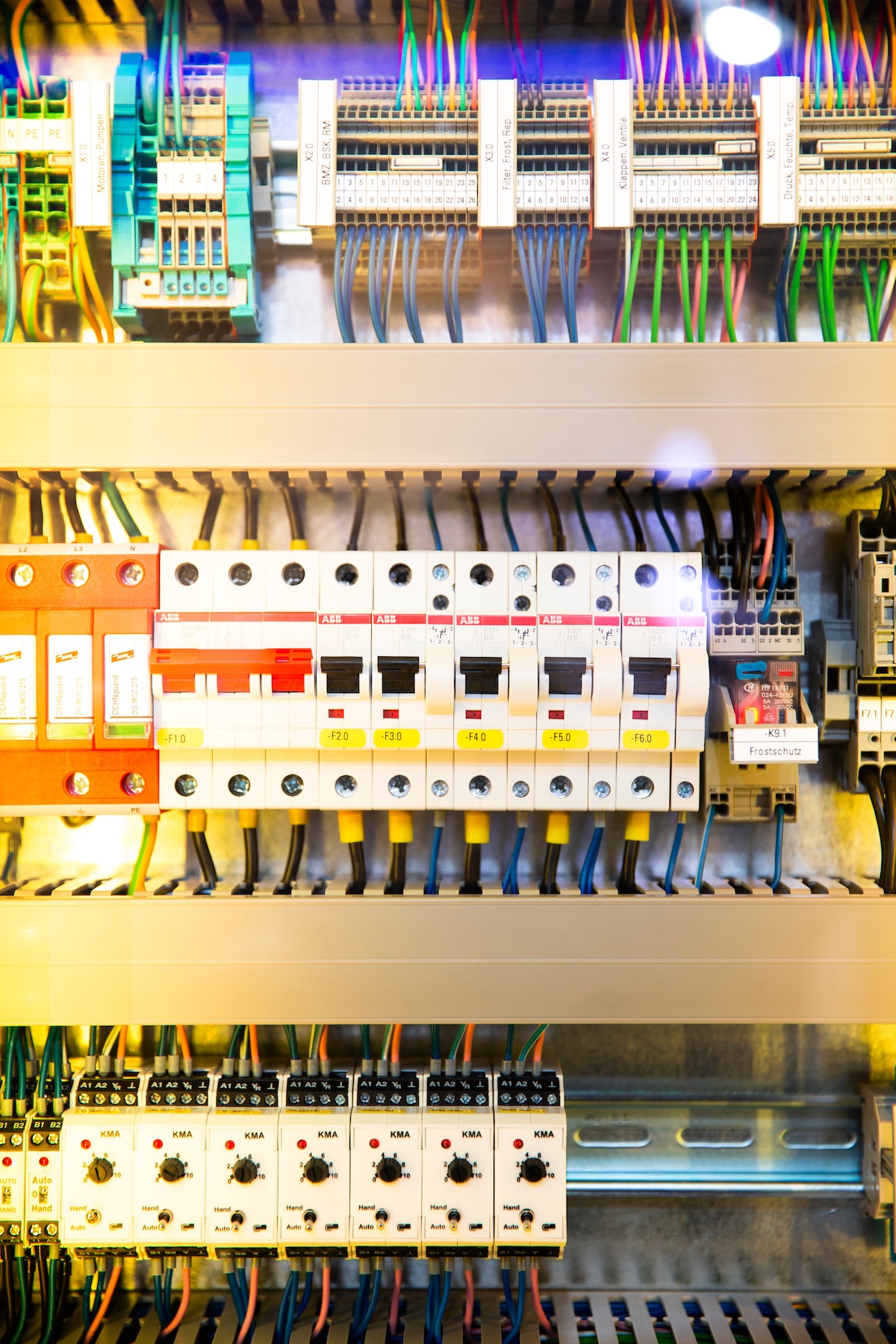
Benefits associated with monitoring energy consumption
Monitoring and supervision of energy consumption provides reliable data on the consumption of a building or facility and enables the implementation of an energy management system that can provide significant benefits.
Benefits associated with monitoring energy consumption
Monitoring and supervision of energy consumption provides reliable data on the consumption of a building or facility and enables the implementation of an energy management system that can provide significant benefits.
Knowledge
Monitoring consumption makes it possible to identify the time of day or season and the services characterized by the highest energy consumption, the optimization of which results in considerable savings. In other cases, monitoring allows the effectiveness of past energy-saving measures to be evaluated or can provide insights into the operation of systems for possible preventive maintenance.
Saving
Monitoring and supervision of consumption is the starting point for defining energy improvement interventions that optimize the use of financial resources, reducing costs and improving the competitiveness of buildings.
Fulfillment of regulatory obligation
A quality energy diagnosis cannot go without certain data, measured and monitored over time. For this reason, there is an obligation in the preparation of new energy diagnoses to measure a portion of the energy vectors under analysis. Implementing a measurement and monitoring system ensures that you are not caught unprepared.
Other technical services for energy efficiency
Enertech offers various technical services within the scope of activities aimed at energy improvement of buildings. Also discover the service of:
Energy Certifications (APE)
The Energy Performance Certificate, or APE, is a document that describes, through a summary parameter called energy class, the energy characteristics of a building, in terms of its envelope and systems, and provides information on the amount of energy the building consumes for heating, cooling, domestic hot water production, and lighting
Energy Manager: The Essential Guide
An Energy Manager is a professional who identifies measures to improve energy efficiency, manage energy consumption, and reduce a company’s costs, guiding it toward greener practices.
Today, for all companies with significant energy consumption, appointing an energy manager is no longer just a regulatory requirement, but a winning strategy for reducing costs and environmental impacts.
Today, for all companies with significant energy consumption, appointing an energy manager is no longer just a regulatory requirement, but a winning strategy for reducing costs and environmental impacts.
FAQ
Energy Service
What is a monitoring plan?
The monitoring plan describes the characteristics and dynamics of operation of an energy performance measurement and verification system. It must be designed to cover significant energy uses, provide a coherent and comprehensive description of the business reality, and take into account possible future energy efficiency measures.
What can an energy consumption monitoring system be used for?
Monitoring energy consumption can bring a variety of benefits. First, for some enterprises identified by Leg. 102/2014, it is mandatory to prepare energy diagnosis every four years. In general, knowledge of consumption data activates a savings mechanism, enables the implementation of predictive maintenance, possible Energy Performance Indicators based on industrial energy accounting, and a more informed and rational evaluation of possible investments on new facilities.
What is an energy management system?
An energy management system, certifiable according to UNI CEI EN ISO 50001, consists of a set of actions, strategies and procedures that can be adopted in order to rationally manage one’s energy carriers and achieve progressive savings and efficiency. The implementation process consists of the four Plan-Do-Check-Act phases; it requires an initial analysis to identify the objectives to be pursued, implementation of the appropriate procedures to initiate the management system, monitoring of the activities carried out, and verification of the continuous improvement of energy performance. The adoption of an energy management system ensures the progressive optimization of performance, reduction of costs and improvement of the environmental image of the organization that adopts it.